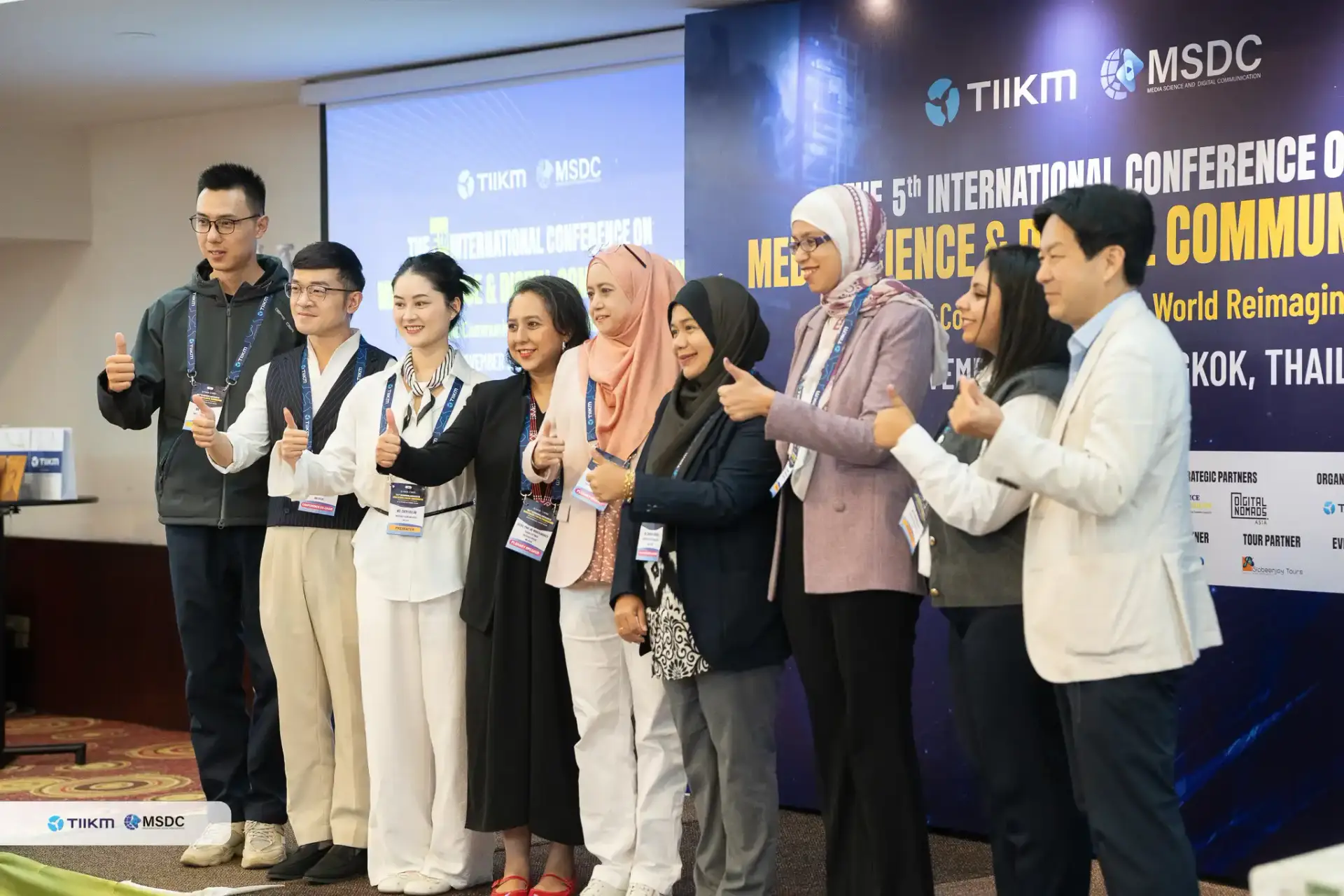
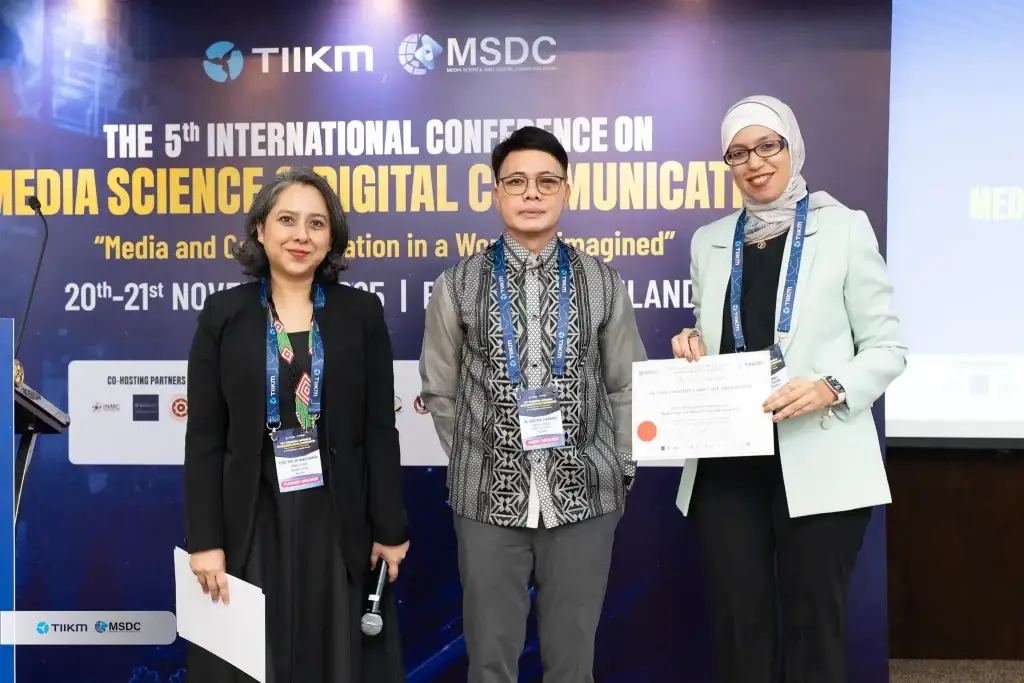
What is a Media and Digital Communication Conference? Everything Researchers Need to Know
In an era defined by rapid technological shifts and the constant evolution of how we share information, media science conference have become essential landmarks. These events bring together journalists, digital strategists, tech innovators, and academic scholars to explore the power of narratives in shaping our global future.
If you are beginning your journey in media studies or digital advocacy, you likely have questions about how these high-energy academic gatherings operate. This article covers the essentials of what to expect and why these platforms are vital for modern communication experts.
What is a Media Science and Digital Communication Conference?
A media science conference is a premier international forum designed to examine how communication technologies evolve alongside—and often drive—societal transformations. These events typically feature a mix of groundbreaking research presentations, tech-driven workshops, and keynote speeches from global media leaders. They serve as a bridge between traditional communication theories and the cutting-edge innovations of the digital age, such as AI-driven content and immersive storytelling.
The Need for This Media Conference
The digital landscape moves faster than almost any other field, creating a critical need for structured global dialogue. This conference exists to:
- Decolonize Narratives: Create an open forum for dialogue on decolonizing media narratives and amplifying indigenous knowledge.
- Bridge Tradition and Tech: Explore the tension and synergy between traditional values and modern technologies.
- Analyze Intersections: Understand how media intersects with culture, ethics, and social transformation in diverse contexts.
- Share Global Approaches: Exchange regional strategies for sustainability, representation, and innovation in media.
- Examine Identity: Study the influence of emerging technologies, digital platforms, and globalization on identity and communication.
- Elevate Voices: Promote community-driven research that elevates marginalized voices and authentic cultural experiences.
Who Should Attend?
Media and communication conferences attract a vibrant, multidisciplinary crowd, including:
- Academics and Researchers: Specialists in media studies, digital communication, cultural studies, and related disciplines.
- Students and Early-Career Professionals: Postgraduate and undergraduate students looking to establish their presence.
- Media Professionals: Journalists, editors, broadcasters, and digital content creators.
- Industry Leaders and Practitioners: Executives from media companies, technology firms, and communication platforms.
- Technologists and Innovators: Experts in artificial intelligence, virtual reality, and other emerging technologies shaping the field.
What is a Conference Abstract?
In media science, an abstract is a concise summary of your research or case study. Whether you are analyzing a viral social movement or the pedagogy of digital literacy, your abstract acts as a “pitch” to the scientific committee to show how your work contributes to the evolving dialogue of digital communication.
Why attend a Media Science Conference?
Participating in this dialogue is designed to produce result oriented outcomes for every attendee, including:
- Stronger Global Networks: Building lasting connections for research, collaboration, and advocacy.
- Publication Opportunities: Advancing the conversation through high-impact academic journals and proceedings.
- Policy Recommendations: Delivering clear guidelines for ethical and culturally sensitive media solutions.
- Practical Toolkits: Offering real-time digital media tools and insights for educators, researchers, and industry professionals.
How Do Conferences Help Early Career Professionals?
For students and new professionals, these events are “fast-track” learning environments. They provide a unique opportunity to gain confidence in public speaking, meet the authors of foundational media theories, and discover niche career paths in the vast world of digital communication.
Join the Global Dialogue on Media Futures
If you are ready to be part of the conversation that reclaims narratives and shapes the future of digital interaction, participating in an international conference is your next step.
You are invited to join leading visionaries and scholars at the 6th International Conference on Media Science and Digital Communication (MSDC 2026). Taking place on the 12th and 13th of November 2026 in Bali, Indonesia, this conference will focus on the powerful theme: “Reclaiming Narratives: Indigenous Wisdom and Sustainable Media Futures.” Don’t miss this opportunity to connect where innovation meets the cultural heart of Bali.
The paper submission streams are under 05 main tracks. You can find sub tracks which best suits your research field
Reclaiming Narratives and Indigenous Knowledge
- Representation and preservation of indigenous knowledge in media
- Alternative epistemologies and decolonial approaches to media studies
- Oral histories, storytelling, and digital archiving of cultural heritage
- Media advocacy for indigenous communities
- Transnational flows and local knowledge production
Sustainable Media and Communication Practices
- Green and ethical media production
- Sustainable journalism and responsible reporting
- Environmental communication and climate narratives
- Technology-driven solutions for sustainability in media
- Media policy for social and ecological responsibility
Innovation and Emerging Media Technologies
- AI, VR/AR, and immersive storytelling in media
- Digital platforms and their social, cultural, and ethical implications
- Algorithmic influence on content dissemination and public discourse
- Innovative tools for media pedagogy and research
- Media literacy and digital citizenship in the age of rapid technological change
Media, Society, and Cultural Transformation
- Media’s role in shaping cultural identity and social norms
- Global South media perspectives on de-westernization
- Digital activism, social movements, and community engagement
- Representation of marginalized voices in contemporary media
- Media influence on political participation and social cohesion
Pedagogy and Research in Media Studies
- Evolving approaches to media and communication education
- Interdisciplinary research methods in media studies
- Collaborative research between academia, industry, and communities
- Critical pedagogy for sustainable and inclusive media futures
- Curriculum development for emerging media technologies and indigenous knowledge
As the first step, you can submit your abstract, secondly, get your abstract reviewed and upon acceptance you can send for technical presentations and present your research findings to a Global Media Audience.