
Call For Papers
Submit Your Research: Call for Papers for Media Science Conference 2026
Over the past five successful editions, the International Conference on Media Science and Digital Communication has grown into a leading global platform for scholars, practitioners, and industry experts committed to shaping the future of media and communication. It has consistently strengthened critical dialogue, cutting-edge research, and meaningful collaborations across diverse cultural, technological, and policy landscapes. MSDC 2026 continues this legacy by creating an active space to explore ideas, address challenges, and seize opportunities that define the evolving world of media and digital communication.
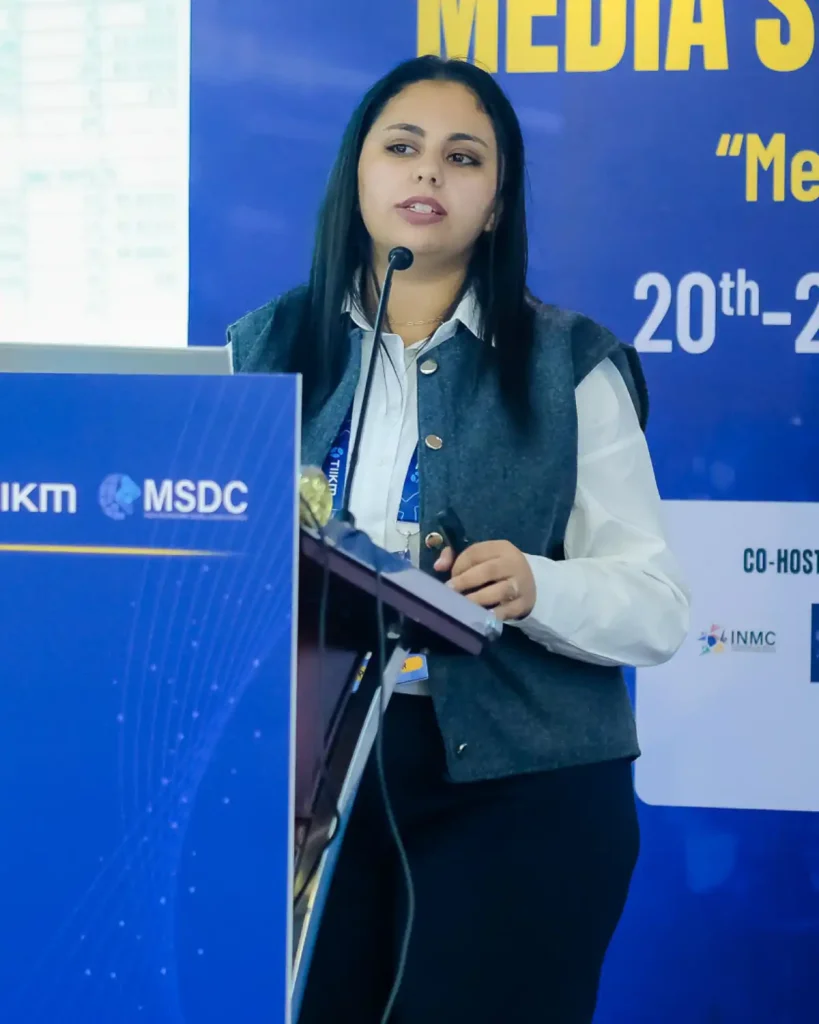
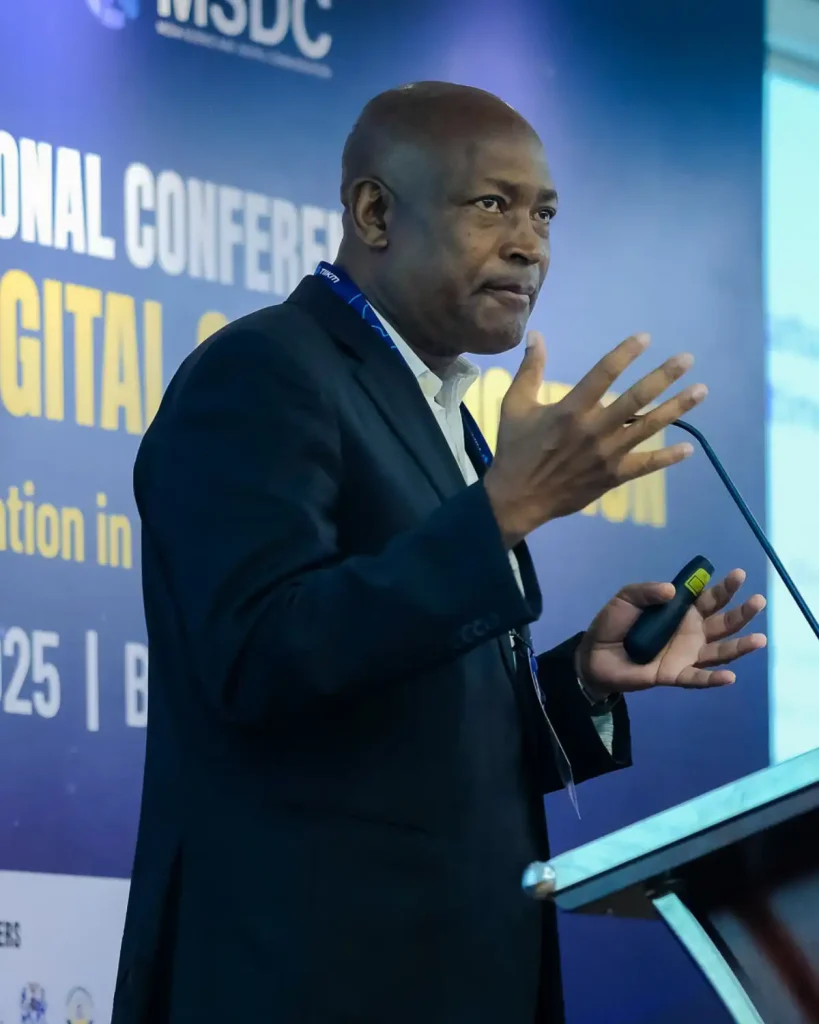
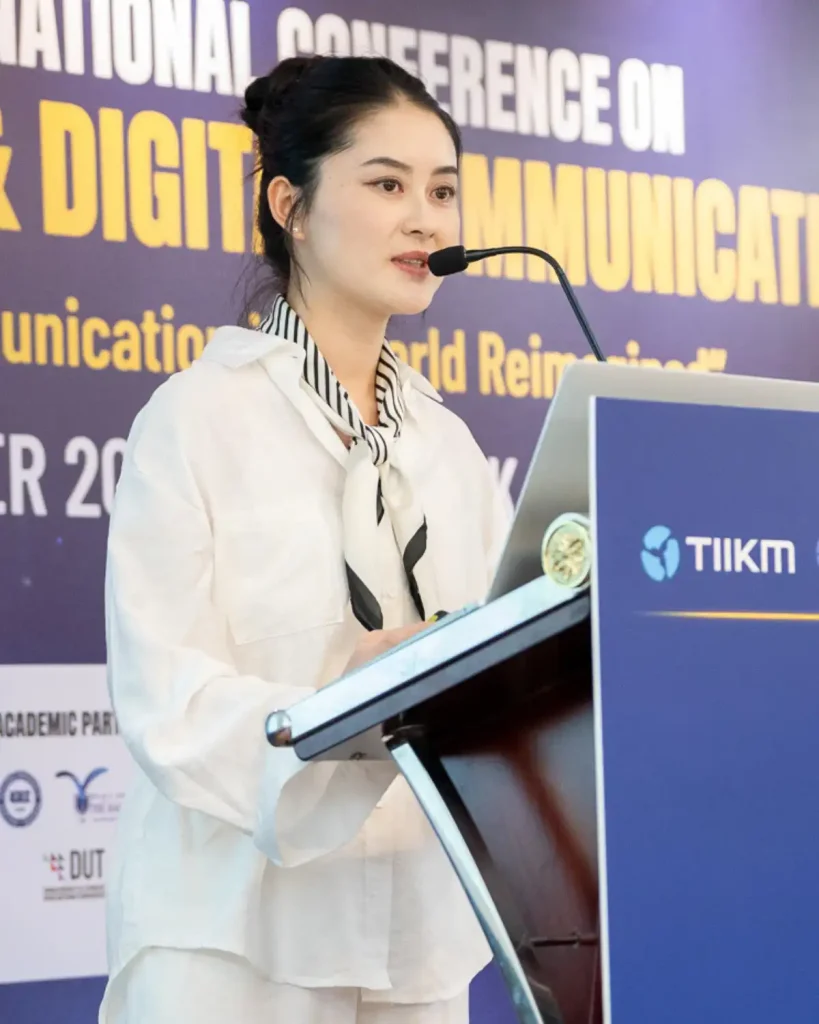
Key Objectives of Media Science Conference 2026:
- The 6th International Conference on Media Science and Digital Communication (MSDC 2026) is all about exploring how media can reclaim narratives, integrate indigenous wisdom, and build sustainable futures in a fast-changing digital world.
- It’s a space for global scholars, industry leaders, and practitioners to share ideas and push boundaries.
- The conference sparks conversations on cultural preservation, ethical media practices, and tech-driven innovation at the intersection of tradition and modernity.
- It’s designed to strengthen collaboration across disciplines and regions to tackle challenges in media policy, education, research, and advocacy.
- Media Science Conference 2026 encourages actionable strategies that make media more inclusive, sustainable, and culturally grounded.
How We Achieve This:
- By bringing together global experts, researchers, and advocates to share insights and strategies.
- Through interactive sessions, keynote speeches, and networking opportunities focused on gender equity and inclusion.
- By showcasing transformative research, policy innovations, and advocacy models that create real-world impact.
- Through building collaborative networks that translate knowledge into action for social change.
- By generating actionable recommendations and partnerships aligned with the UN Sustainable Development Goals.
Join the Conversation
We warmly invite scholars, researchers, media and communication experts, technologists, cultural analysts, policymakers, and professionals from diverse fields to submit their research and join us at the 6th International Conference on Media Science and Digital Communication (MSDC 2026). Together, let’s shape ideas and strategies that advance innovation, inclusivity, and sustainability in global media practices.
Conference Theme: “Reclaiming Narratives: Indigenous Wisdom and Sustainable Media Futures”
Call for Papers Media Science Conference 2026
We welcome original research, theoretical discussions, and practical case studies under the following sub-themes:
Reclaiming Narratives and Indigenous Knowledge
- Representation and preservation of indigenous knowledge in media
- Alternative epistemologies and decolonial approaches to media studies
- Oral histories, storytelling, and digital archiving of cultural heritage
- Media advocacy for indigenous communities
- Transnational flows and local knowledge production
Sustainable Media and Communication Practices
- Green and ethical media production
- Sustainable journalism and responsible reporting
- Environmental communication and climate narratives
- Technology-driven solutions for sustainability in media
- Media policy for social and ecological responsibility
Innovation and Emerging Media Technologies
- AI, VR/AR, and immersive storytelling in media
- Digital platforms and their social, cultural, and ethical implications
- Algorithmic influence on content dissemination and public discourse
- Innovative tools for media pedagogy and research
- Media literacy and digital citizenship in the age of rapid technological change
Media, Society, and Cultural Transformation
- Media’s role in shaping cultural identity and social norms
- Global South media perspectives on de-westernization
- Digital activism, social movements, and community engagement
- Representation of marginalized voices in contemporary media
- Media influence on political participation and social cohesion
Pedagogy and Research in Media Studies
- Evolving approaches to media and communication education
- Interdisciplinary research methods in media studies
- Collaborative research between academia, industry, and communities
- Critical pedagogy for sustainable and inclusive media futures
- Curriculum development for emerging media technologies and indigenous knowledge
You may send your abstract according to the abstract guidelines. Different registration packages of the conference provide you so many benefits including food, conference pack, abstract book, eligibility to attend the technical sessions, career development workshops, publication opportunities etc. You can select different presentation modes according to your preference. Presentations awards are one of the key elements of the conference. The presenters at the conference will be evaluated by a special committee of academic experts during the conference and the best presenters will be awarded at the award ceremony.
Related Links
- Check the abstract submission guidelines and prepare your research for MSDC 2026
- View the registration fees and payment details for presenters at Digital Media Conference.
- Explore the professional and academic benefits of presenting at the International Communication Conference.
- Learn about the advantages of attending Media Science Conference 2026 as a participant.
- Discover scholarship opportunities available for researchers and students at the Media Science and Digital Communication Conference.
- Check out the Abstract Review Process after submitting your Research to the Digital Media Conference.